
In the last several years interior design has become one of the most popular creative careers. The changing contemporary lives have created an increasing need for well-designed residential, commercial and hospitality facilities.
Interior design is not just about putting good furniture and colors in spaces anymore. It now includes space planning, functionality, aesthetics, lighting ideas, material selection, and the creation of comfortable and productive surroundings.
Quality Diploma in Interior Design Courses in Jaipur education and practical training are the main aspects that shape future professions and hence choosing the proper diploma course is very vital. They get acquainted with industry workflows and design execution procedures.
Design Exploration for Creative Development
Creativity is important to interior design education. Diploma students require the opportunity to explore ideas, experiment with styles and create distinctive design views.
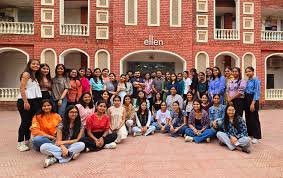
Ellen College of Design offers diploma courses in interior design that give students the opportunity to build solid foundations in design concepts, space planning, technical drawing and creative visualization. Students require sufficient supervision to comprehend the design of places to meet the demands, comfort and visual appeal of users. The correct diploma course will teach students important ideas in the industry and real design processes to prepare them for work contexts. Technical drawing and drafting methods are also taught to students in interior design courses. These abilities help students to make professional design ideas, communicate and correct layouts.
Another key element of an interior design education is material knowledge. Students gain knowledge of a variety of building materials, coatings, textiles and ornamental items for interior spaces. Knowledge of material characteristics allows designers to make right decisions for varied contexts. Students are taught the basics of design so that they may tackle difficult tasks in a creative and professional way. A strong base facilitates further specialization and improved evolution of design.
Hands-on Learning Experience & Practical Training
Practical training is one of the most significant features of diploma courses in interior design. Since interior design is a very practical discipline, students need to be given the opportunity to practice the theoretical principles with actual design projects and assignments.
During their diploma programs students are commonly involved in residential and commercial interior projects. These initiatives also enable them to learn about varied customer needs and space problems. Practical work also helps students to learn how to manage deadlines and coordinate design processes in a professional manner.
Students have a better grasp of interior spaces via model creation and design visualization exercises. These tasks promote creativity and technical correctness. It also provides students the confidence to solve real-world design challenges via practical training. They learn to mix beauty with utility, satisfying realistic constraints and user expectations. Creative creation also requires comprehension of lifestyle preferences and current design trends. They learn to keep their work distinctive and at the same time explore current interior designs.
Interior design education compels students to notice architectural elements, cultural influences, and spatial patterns around them. Such discoveries frequently spark new ideas and ways of designing.
Students build their own design identities throughout time via ongoing experimentation and project work. This originality is vital for professional progress as distinct creative viewpoints assist designers to stand out in competitive sectors. Creative learning spaces stimulate and excite students to be interested and continue building their creative and technical talents throughout their education.
Mentored And Advised By Experienced Faculty
Support and guidance from faculty are key to student success in interior design education. Students benefit from the assistance of experienced mentors who help enhance technical skills, polish creative concepts and build professional confidence.
Students really benefit from critical criticism on design tasks and project presentations.Experienced faculty members assist students in overcoming design obstacles and improving problem solving skills.
Mentors also promote students’ experimentation with new ideas and varied forms of design. Such assistance helps pupils feel confident in expressing their thoughts and producing work that is their own.
Professional mentoring is not only about learning technical things. Students also learn discipline, presentation skills, communication strategies and professional conduct required for successful jobs in interior design.
Strong mentor connections empower students to be committed to their objectives and to keep growing their abilities during difficult times in their schooling. Students learn, are motivated and prepared for the profession via the ongoing direction and support of experienced professors.
Constructing Your Portfolio for Career Success
Portfolio building is one of the most significant areas of interior design school because portfolios are a big part of professional chances and career growth.
A portfolio is a demonstration of a student’s creativity, technical understanding, and design skills. Students on diploma courses progressively compile portfolios of work from assignments and projects to demonstrate their abilities and knowledge of design.
Students are introduced to the professional management of design projects and the presentation of ideas via visual representations and layouts. Strong presenting abilities make portfolios more successful and leave stronger impressions during interviews and professional meetings.
Portfolio projects might include home interiors, business layouts, furniture designs, lighting plans and space planning activities. These projects display flexibility and thinking beyond the box. Education in interior design helps in the development of professional skills and also helps in personal growth and confidence building. Ongoing project work and presentations build students’ creative thinking capabilities and improve communication skills over time.
A well-developed portfolio shows both technical skill and creative inventiveness. It offers prospective employers and customers a chance to see a designer’s style and professionalism.
Portfolio building also helps students consistently enhance the quality of their work. They are more interested in details, uniqueness and standards of presentation. Students learn transferable skills for a variety of artistic and technical careers.
Graduates may work in home interior design, business space planning, furniture design, exhibition design and interior styling. These jobs need creativity, technical knowledge and communication abilities which are acquired throughout diploma studies.
Summary
Some Diploma in Interior Design Courses in Jaipur students also work with interior design studios and architecture businesses, where they receive practical experience via professional projects. Students with high levels of creative confidence and commercial expertise may go on to start their own independent design consultancies or interior solution firms.