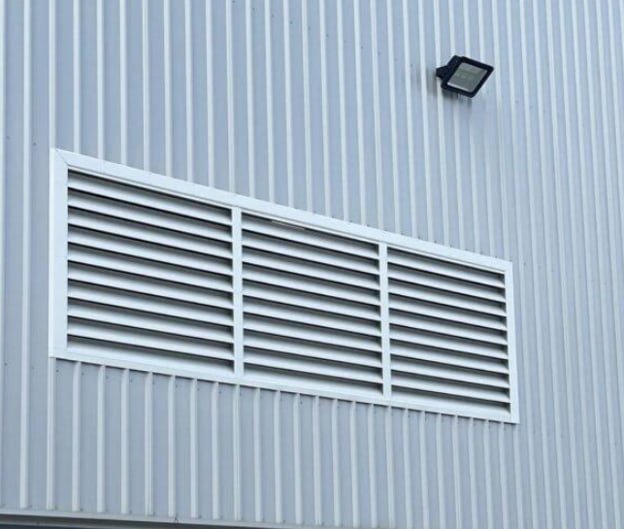
Factory ventilation frequently disappoints operators when standard equipment fails meeting actual operational demands consistently. Most facility managers assume existing systems work adequately until problems surface unexpectedly and problematically. Industrial operators occasionally reassess industrial aluminium louvre blades after experiencing inadequate ventilation performance. Discovering advanced ventilation solutions like industrial aluminium louvre blades transforms operational expectations and outcomes dramatically. Equipment failures sometimes occur when temperature control remains insufficient for machinery reliability and performance. Worker complaints about uncomfortable conditions occasionally reveal ventilation inadequacies, design flaws, and problems. Productivity occasionally declines mysteriously when environmental conditions deteriorate, affecting operational performance and output.
Questioning Conventional Solutions
Standard ventilation systems sometimes disappoint despite promises of adequate air circulation capacity and performance. Mechanical failures occasionally occur when equipment operates beyond design specifications and established tolerances. Noise levels sometimes exceed acceptable ranges, creating unpleasant working conditions for staff and employees. Energy consumption occasionally proves higher than anticipated during routine operational periods and seasons. Installation complications sometimes delay facility operations longer than initially estimated and planned. Maintenance requirements occasionally exceed expectations, requiring frequent interventions, repairs and adjustments. Reliability issues sometimes emerge after initial installation periods and operational commencement and startup. Performance reality differs substantially from manufacturer claims and marketing promises and promotional materials.
Discovering Unexpected Advantages
Industrial operators sometimes notice subtle improvements after louvre blade installation and careful adjustment. Temperature consistency occasionally improves noticeably within workspace areas and production zones and facilities. Air movement patterns sometimes become more predictable, enabling better operational planning and scheduling. Dust settlement occasionally decreases, reducing cleaning frequency and maintenance labour demands substantially. Equipment temperatures sometimes stabilise, improving reliability and reducing unexpected breakdowns and failures. Humidity fluctuations occasionally diminish, protecting sensitive materials and stored products and inventory. Worker feedback sometimes reveals unexpected comfort improvements and morale enhancement and satisfaction. Discoveries surprise operators accustomed to accepting suboptimal ventilation performance and environmental conditions.
Examining Operational Flexibility
Blades positioned strategically permit seasonal adjustments addressing varying environmental demands throughout the year. Summer heat management differs substantially from winter requirements and priorities and considerations. Seasonal transitions occasionally require simple blade angle adjustments rather than complex modifications. Rapid adaptation becomes possible when ventilation systems respond quickly to changing conditions. Production modifications sometimes necessitate ventilation adjustments supporting operational requirements and facility demands. Equipment upgrades occasionally benefit from existing louvre systems requiring minimal changes and intervention. Flexibility advantages accumulate substantially throughout facility operations and extended periods and seasons. Adaptability matters considerably, affecting facility responsiveness and operational efficiency and performance levels.
Observing Workplace Dynamics
Staff satisfaction occasionally improves when working conditions become more comfortable and tolerable. Absenteeism sometimes decreases when environmental conditions no longer cause discomfort, complaints and problems. Productivity occasionally increases subtly through enhanced worker comfort and reduced distractions and stress. Safety performance sometimes improves when ventilation removes hazardous vapours and contaminants and particles. Team morale occasionally strengthens when management addresses environmental concerns and complaints and issues. Retention rates sometimes improve when workplace conditions reflect organisational commitment and care. Workplace improvement matters considerably, affecting employee satisfaction and operational continuity and success. Human factors influence operations more substantially than facility managers typically recognise or acknowledge.
Reconsidering Equipment Protection
Machinery longevity sometimes surprises operators once thermal stress no longer damages components. Equipment reliability occasionally improves noticeably when operating temperatures remain within acceptable ranges and limits. Corrosion development sometimes slows considerably when humidity levels stay controlled and stable. Maintenance intervals occasionally extend, reducing downtime and operational disruptions substantially and measurably. Component failures sometimes decrease when environmental stress stops accelerating wear processes and degradation. Repair costs occasionally decline as equipment operates more reliably and consistently and dependably. Equipment preservation matters considerably, affecting long-term asset value and operational performance outcomes. Protection influences longevity substantially, determining replacement timelines and maintenance requirements and schedules.
Assessing Financial Realities
Operational costs sometimes decrease when ventilation reduces equipment maintenance and repair demands. Production efficiency occasionally improves through better environmental control and management and oversight. Energy expenses sometimes stabilise when ventilation systems operate optimally and efficiently and effectively. Replacement expenditures occasionally decrease when equipment lasts longer without environmental damage and stress. Workforce productivity occasionally increases through environmental improvements and comfort enhancements and benefits. Business continuity improves when equipment reliability reduces unexpected operational disruptions and interruptions. Financial outcomes matter considerably, influencing investment decisions and strategic planning and priorities. Economics influence decisions regarding ventilation system selection and implementation and maintenance approaches.
Conclusion
Industrial aluminium louvre blade systems transform facility operations through strategic ventilation management and control. Operational flexibility adapts to varying requirements and seasonal environmental changes and demands. Equipment reliability improves when thermal and humidity stress becomes minimised and controlled. Workplace conditions enhance worker satisfaction and operational performance substantially and measurably overall. Cost management improves through reduced maintenance and equipment replacement frequency and requirements. Facility operators discover overlooked advantages by implementing proper louvre blade ventilation solutions and systems. Reassessing ventilation approaches yields surprising operational and financial improvements and unexpected benefits.