
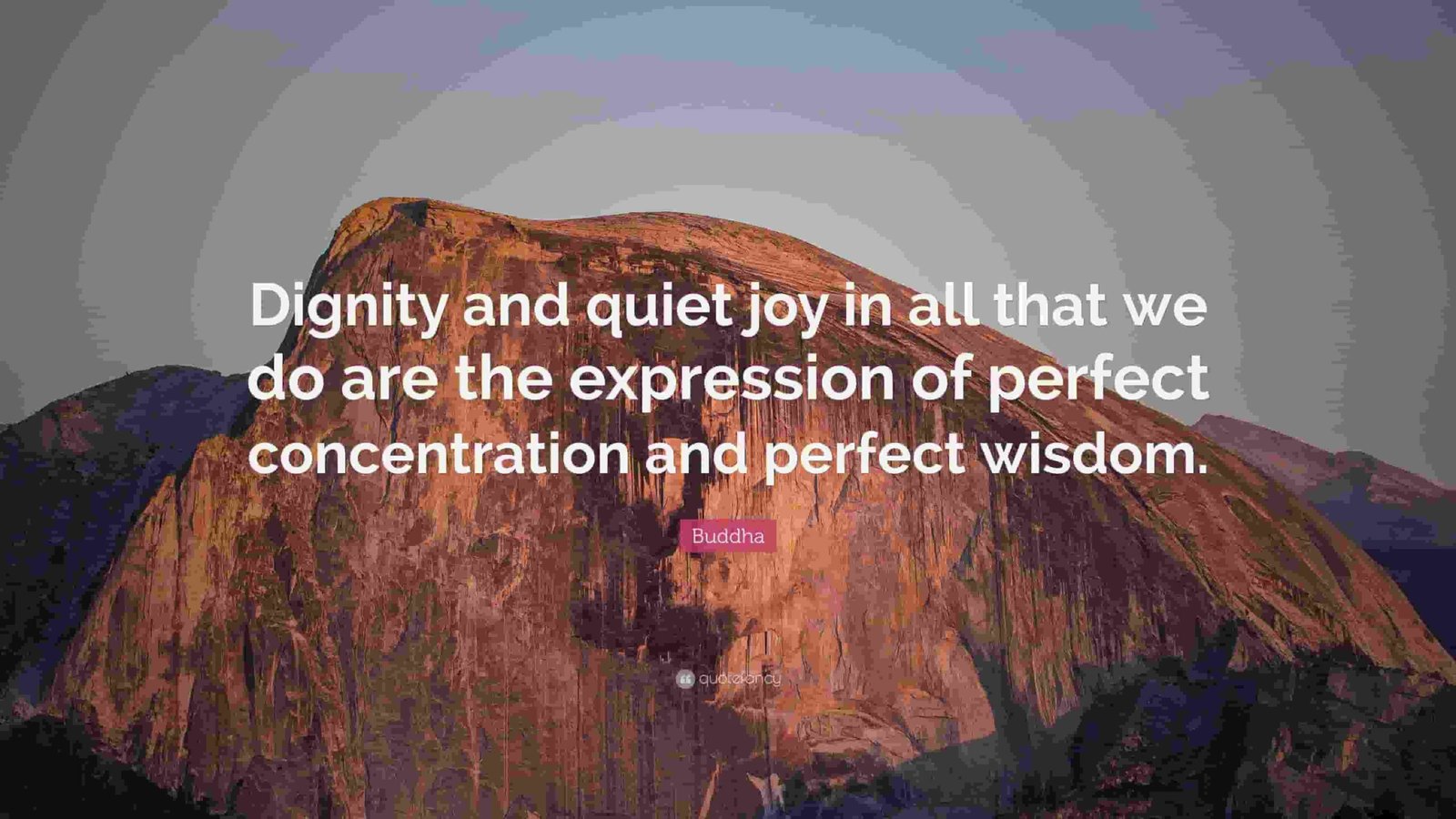
What does it really mean to live with dignity in a world that constantly tests our patience, values, and self-worth?
Dignity is one of the most powerful qualities a person can possess. It is not measured by wealth, popularity, social status, or appearance. Instead, dignity comes from the way we carry ourselves, treat others, and remain true to our principles even during difficult times. It is the quiet inner strength that reminds us we deserve respect and that every human being deserves it too.
Understanding Dignity
Dignity is the sense of worth and honor that belongs to every person simply because they are human. It is deeply connected to self-respect, integrity, and compassion. A person with dignity does not need to prove their value to the world constantly. Their confidence comes from within.
Living with dignity means:
- Respecting yourself without arrogance
- Treating others with kindness and fairness
- Standing by your values even when it is difficult
- Refusing to humiliate or degrade others
- Remaining composed during challenges and criticism
Dignity is often revealed not in moments of success, but in moments of struggle.
Why Dignity Matters
In today’s fast-paced world, people are often judged based on achievements, money, or online image. Because of this, many individuals lose touch with their inner sense of worth. They begin to seek validation from others rather than recognizing their own value.
Dignity matters because it protects our humanity. It teaches us that our worth does not disappear when we fail, make mistakes, or face rejection. A person can lose a job, experience hardship, or go through heartbreak and still maintain dignity.
It also shapes how society functions. When dignity is respected, people feel safer, heard, and valued. Relationships become healthier, workplaces become more respectful, and communities become stronger.
Dignity in Difficult Times
Anyone can appear confident when life is going well. True dignity appears when life becomes painful or unfair.
A dignified person does not allow hardship to turn them cruel or bitter. They may feel sadness, disappointment, or anger, but they continue to act with grace and self-control. They avoid humiliating others to feel powerful. Instead, they respond with maturity and wisdom.
For example:
- A person who remains respectful during an argument shows dignity.
- A parent who sacrifices quietly for their children demonstrates dignity.
- Someone who admits a mistake honestly instead of lying to protect themselves acts with dignity.
- A person who continues to treat others kindly despite personal struggles reflects true character.
Dignity is strength without the need for dominance.
The Connection Between Dignity and Self-Respect
People often confuse dignity with pride, but they are not the same thing. Pride can sometimes come from ego or superiority, while dignity comes from self-respect and humility.
When someone has dignity, they understand their worth without needing to belittle others. They set healthy boundaries, walk away from toxic situations, and refuse to accept mistreatment. At the same time, they do not seek revenge or constant validation.
Self-respect grows when we:
- Keep our promises
- Speak honestly
- Make choices aligned with our values
- Forgive ourselves for past mistakes
- Refuse to compromise our integrity for approval
The more we honor ourselves, the stronger our dignity becomes.
Treating Others With Dignity
Every person wants to feel respected and valued. One of the clearest signs of dignity is the ability to recognize the humanity in others, regardless of their background, beliefs, or circumstances.
Treating others with dignity includes:
- Listening without mocking or interrupting
- Showing empathy during difficult moments
- Respecting differences
- Avoiding gossip and humiliation
- Offering kindness even when it is not required
Small acts of respect can leave lasting impacts. Sometimes a kind word, patient response, or moment of understanding can restore someone’s confidence and hope.
Protecting Your Dignity
There will always be situations that challenge your self-worth. People may criticize you unfairly, underestimate you, or try to make you feel small. Protecting your dignity means refusing to let those experiences define your value.
You protect your dignity when you:
- Walk away from disrespectful environments
- Stop seeking approval from everyone
- Speak up for yourself calmly and confidently
- Choose peace over unnecessary conflict
- Stay true to your principles
Dignity is not weakness. In many cases, it takes far more strength to remain calm, honest, and compassionate than it does to react with anger.
Conclusion
Dignity is one of the most beautiful qualities a person can have. It is the foundation of self-respect, compassion, and integrity. It reminds us that every human life has value and that true strength is shown through character, not power.
In a world where people are often pressured to compete, compare, and seek constant validation, dignity offers something different: quiet confidence, inner peace, and respect for both ourselves and others.
No matter what challenges life brings, a person who holds onto their dignity never truly loses themselves.