
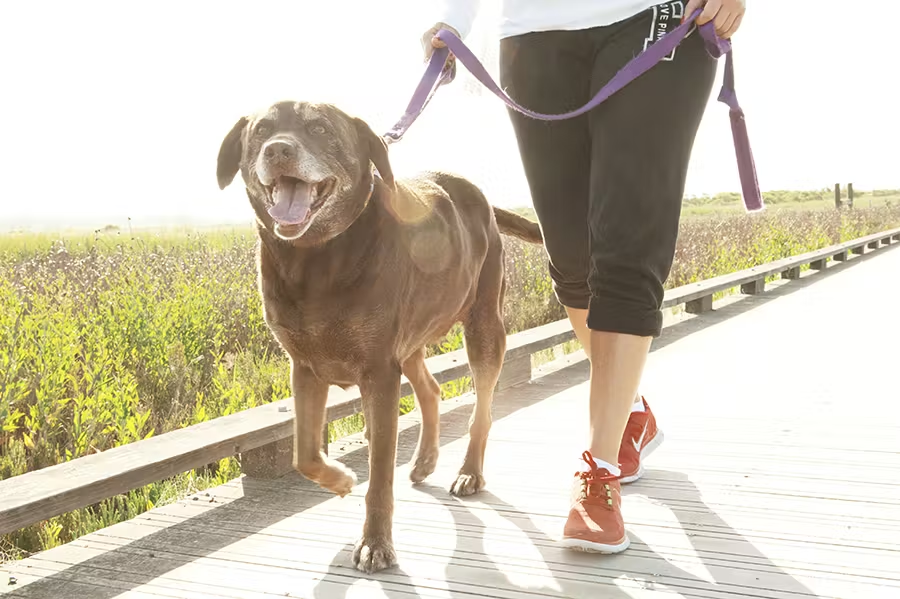
Teaching your dog to walk on a leash can seem like a daunting task, but with the right approach, it can become an enjoyable experience for both you and your furry friend. At Rob’s Dog Training (https://robsdogs.com/), we have helped countless dog owners with training a dog to walk on a leash, creating calm, confident, and well-behaved walking companions. This guide will walk you through practical steps, helpful tips, and common challenges, making leash training a smooth and rewarding journey.
Understanding the Importance of Leash Training
Walking on a leash is more than just a way to take your dog outside, it’s a critical part of safety, communication, and bonding. A dog that walks politely on a leash is less likely to pull, dart into dangerous situations, or develop anxiety during walks. Teaching your dog to walk calmly alongside you also builds mutual respect and strengthens your relationship.
For many dogs, leash training is not instinctive. They may pull, lag behind, or become distracted by the sights and smells around them. The key is consistency, patience, and using positive reinforcement to guide behavior.
Choosing the Right Equipment
Before starting training, it’s important to select the right equipment. A proper leash and collar or harness can make a big difference in your success:
- Collars: Standard flat collars work well for dogs that already have some leash manners. Avoid choke chains or prong collars, which can cause discomfort or fear.
- Harnesses: Front-clip harnesses help manage dogs that pull by gently redirecting their movement without pressure on the neck.
- Leashes: A standard 4-6 foot leash provides control while allowing some freedom. Retractable leashes may encourage pulling, so they are not recommended during training.
Having the right gear ensures that your dog feels comfortable and safe, allowing both of you to focus on learning.
Establishing a Positive Training Environment
Leash training is most effective in an environment with minimal distractions. Start indoors or in a quiet backyard where your dog feels secure. Once your dog is confident, you can gradually move to busier areas like parks or sidewalks.
Remember, training sessions should be short and positive, around 10 to 15 minutes at a time is ideal. Frequent, consistent practice will yield better results than long, exhausting walks.
Step-by-Step Guide to Leash Training
1. Introduce the Leash and Collar
Begin by letting your dog wear the collar or harness indoors without attaching the leash. Allow them to move around freely and get used to the feel. Then, attach the leash and let your dog drag it around while supervised. This helps them understand that the leash is not a restriction but part of their routine.
2. Practice Basic Commands
Before heading outside, reinforce basic commands like “sit,” “stay,” and “come.” These commands create a foundation of communication and make it easier to guide your dog during walks.
3. Start With Short, Positive Walks
Begin in a quiet area and encourage your dog to walk beside you. Use treats, praise, or toys to reward them for staying close. Stop walking whenever your dog pulls, and resume only when the leash is slack. This teaches them that pulling does not get them where they want to go.
4. Use Consistent Cues
Choose one or two commands for walking, such as “let’s go” or “heel.” Consistent verbal cues paired with gentle guidance help your dog understand your expectations.
5. Gradually Increase Distractions
Once your dog is comfortable walking calmly in a quiet environment, slowly introduce distractions. Move to busier streets, parks, or areas with other dogs. Reward your dog for maintaining focus and walking politely despite new stimuli.
6. Address Pulling and Lagging
If your dog pulls ahead, stop walking and wait for them to return to your side. If they lag, encourage them with a friendly voice or treat. The goal is to keep your dog engaged and responsive while walking.
7. Keep Training Sessions Positive
Dogs respond best to positive reinforcement. Avoid punishment or harsh corrections, as these can create fear and anxiety. Celebrate progress, no matter how small, and remain patient with setbacks.
Common Challenges and How to Handle Them
Even with the best intentions, leash training can present challenges:
- Excitement Pulling: Many dogs pull due to excitement. Stop walking and reward slack-leash behavior. Practice calm greetings before walks.
- Distractions: Dogs may become overly focused on other animals, people, or noises. Gradually expose them to distractions while rewarding calm behavior.
- Fear or Anxiety: Some dogs may be nervous outdoors. Start in low-stimulus areas and gradually introduce new environments.
Understanding your dog’s personality and responding to their needs will make training more effective and less stressful for both of you.
Tips for Maintaining Good Leash Habits
Once your dog is walking nicely on a leash, it’s important to maintain good habits:
- Consistency: Stick to the same cues, routines, and expectations on every walk.
- Variety: Change walking routes occasionally to keep your dog mentally stimulated.
- Exercise: Regular walks provide both physical and mental exercise, helping your dog remain calm and focused.
- Reward: Continue using praise, treats, or toys to reinforce good behavior over time.
Consistency and patience are the keys to turning leash walking into a lifelong habit.
Benefits Beyond the Walk
Training a dog to walk on a leash offers benefits beyond daily exercise:
- Safety: A well-trained dog is less likely to dart into traffic or approach unknown animals aggressively.
- Bonding: Walking together creates a stronger connection between you and your dog.
- Mental Stimulation: New sights, sounds, and smells provide cognitive enrichment.
- Behavior Improvement: Leash training can reduce overall behavioral issues like jumping, pulling, or excessive barking.
By investing time in proper training, you’re not only making walks more enjoyable but also enhancing your dog’s overall well-being.
When to Seek Professional Help
Some dogs may need extra guidance due to behavioral issues, fear, or past experiences. Professional trainers can provide tailored strategies to address these challenges and ensure lasting success. At Rob’s Dog Training (https://robsdogs.com/), our team works closely with dog owners to build confident, obedient, and happy pets, offering techniques and support every step of the way.
Conclusion
Training a dog to walk on a leash is a rewarding journey that strengthens your bond, improves safety, and promotes good behavior. By following consistent steps, using positive reinforcement, and gradually introducing distractions, you can turn walks into a peaceful and enjoyable experience for both you and your dog. For dog owners looking for expert guidance, Rob’s Dog Training offers the support and proven strategies to help you and your furry friend succeed. A well-trained leash-walking companion is not just a dream, it’s an achievable goal with patience, practice, and the right approach.