
Aging is an inevitable process that leaves its marks on the face in many visible ways. Among the most common cosmetic concerns dermatologists and aesthetic practitioners encounter today are nasolabial folds — the creases that run from the sides of the nose down to the corners of the mouth. Smile line reduction has become one of the most sought-after aesthetic procedures globally, with millions of patients seeking professional clinical interventions to restore a smoother, more youthful appearance. Unlike home remedies or lifestyle adjustments, clinical treatments offer targeted, evidence-based solutions that deliver measurable results in significantly less time.
Understanding Smile Lines
Smile lines, medically referred to as nasolabial folds, develop as a result of repetitive facial muscle movement combined with the natural loss of collagen, elastin, and subcutaneous fat that occurs with age. When we smile, laugh, or speak, the levator labii superioris and zygomaticus muscles contract, pushing skin into characteristic folds. Over time, as skin loses its elasticity and the fat pads beneath the cheeks begin to descend, these folds deepen and become permanently etched into the face even at rest. Genetics, sun exposure, significant weight fluctuations, and smoking can all accelerate the appearance of pronounced nasolabial folds, making clinical intervention a practical and often necessary choice for patients seeking noticeable improvement.
Dermal Fillers: The Gold Standard
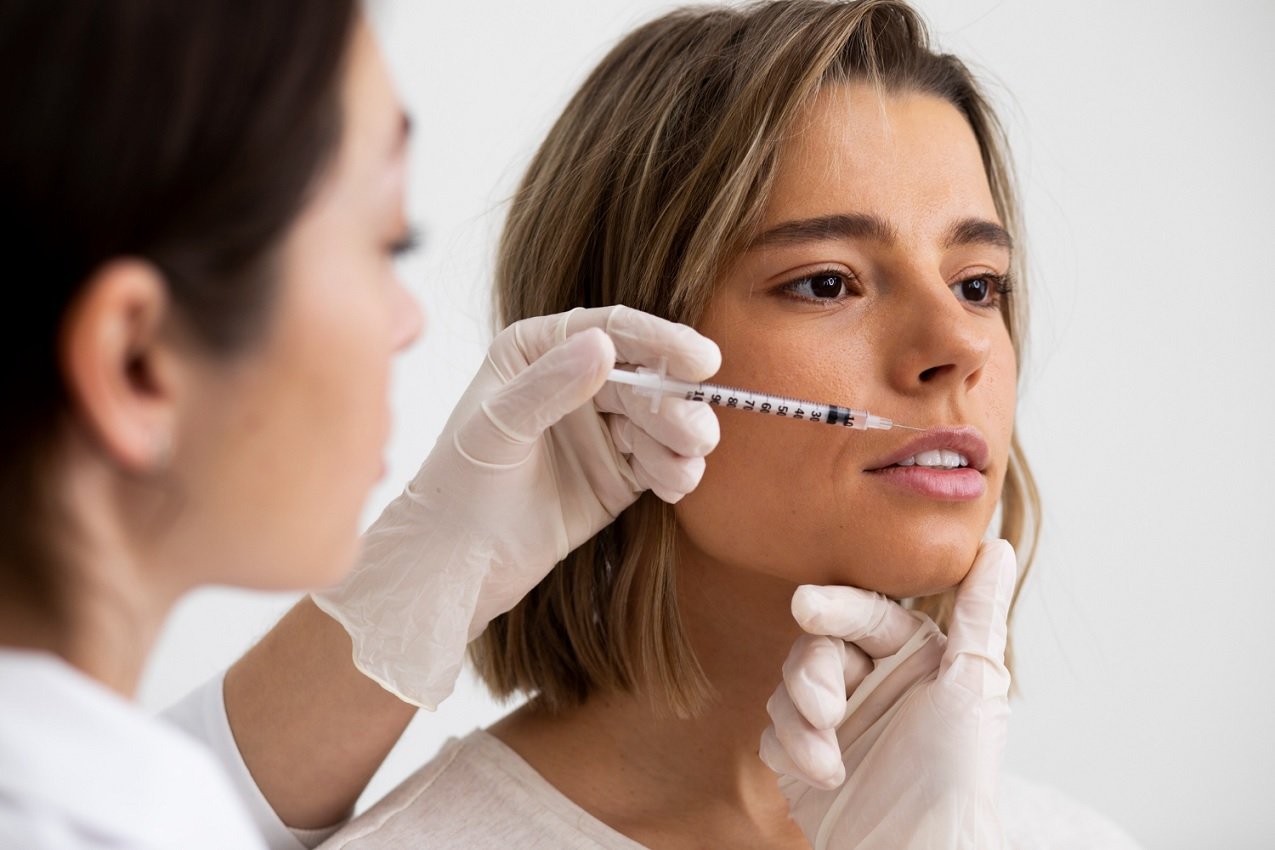
Hyaluronic acid (HA) dermal fillers remain the most widely used and clinically validated treatment for smile line reduction. Products such as Juvederm Volbella, Restylane Lyft, and Sculptra are injected directly into or beneath the nasolabial fold to restore lost volume and push the skin back into a smoother position. The procedure is minimally invasive, typically completed within 30 minutes, and delivers immediate visible results with little to no downtime.
HA fillers work by attracting and retaining moisture within the dermis, physically plumping the treated area. Results typically last between 9 to 18 months depending on the product used, the depth of the folds, and the patient’s individual metabolism. More robust fillers like Sculptra, which is poly-L-lactic acid based, stimulate collagen production over time and can deliver results lasting up to two years. A skilled injector will carefully assess facial anatomy to ensure natural-looking outcomes while avoiding complications such as the Tyndall effect or vascular occlusion.
Botulinum Toxin Injections
While Botox (botulinum toxin type A) is most commonly associated with forehead lines and crow’s feet, it plays a specific adjunctive role in treating smile lines. Injecting small doses of botulinum toxin into the levator labii superioris and surrounding musculature temporarily relaxes the muscles responsible for deepening nasolabial folds with repeated movement. This approach is particularly effective for patients with dynamic smile lines — those that are more pronounced during facial expressions than at rest.
Botox injections for smile lines require precise placement to avoid affecting lip function or creating an unnatural appearance. Results typically appear within 5 to 7 days and last approximately 3 to 4 months. Many practitioners combine Botox with dermal fillers in what is commonly referred to as a liquid lift, addressing both the dynamic and structural components of facial aging simultaneously.
Radiofrequency and Ultrasound Skin Tightening
Non-invasive energy-based devices have gained significant traction in clinical aesthetic settings for their ability to stimulate deep collagen remodeling without surgical intervention. Technologies such as Thermage (monopolar radiofrequency), Morpheus8 (fractional radiofrequency microneedling), and Ultherapy (micro-focused ultrasound) deliver controlled thermal energy to the deeper layers of the skin and underlying SMAS (superficial musculoaponeurotic system).
This thermal stimulation triggers a wound-healing cascade that results in new collagen and elastin fiber formation over the following weeks and months. For nasolabial folds, these treatments improve skin laxity, enhance facial contour, and reduce the depth of smile lines through genuine tissue regeneration. Multiple sessions are often recommended, with results continuing to improve over three to six months post-treatment. These modalities are ideal for patients who prefer a non-injectable approach or are looking to maintain results between filler treatments.
Laser Resurfacing
Ablative and non-ablative laser treatments target smile lines from a surface-improvement standpoint, addressing skin texture, tone, and collagen density. Fractional CO2 and Erbium lasers precisely remove microscopic columns of aged skin tissue, prompting the body to regenerate fresher, tighter skin. This is particularly effective when nasolabial folds are accompanied by surrounding skin laxity, fine lines, or uneven texture.
Non-ablative lasers such as the Fraxel Restore deliver energy beneath the skin surface without damaging the outer layer, offering a gentler alternative with less downtime. Laser resurfacing requires a careful pre-treatment consultation including skin type assessment, as patients with darker Fitzpatrick skin types face a higher risk of post-inflammatory hyperpigmentation. Results from ablative laser treatments can be dramatic and long-lasting, often persisting for several years with appropriate sun protection and skincare maintenance.
Thread Lifts
Polydioxanone (PDO) thread lifts offer a minimally invasive surgical-adjacent option for patients with moderate to severe nasolabial folds accompanied by mid-face sagging. Barbed threads are inserted beneath the skin using a cannula and then gently pulled to reposition descended cheek fat pads, mechanically lifting the folds upward. Simultaneously, the threads stimulate a fibrotic response that gradually builds collagen around the thread, enhancing skin firmness.
Thread lifts are particularly valuable for patients who want a noticeable lift without undergoing a full surgical facelift. The procedure is performed under local anesthesia, takes approximately 45 to 60 minutes, and involves minimal recovery time. Results typically last 12 to 18 months as the threads dissolve naturally.
Choosing the Right Clinical Treatment
Patient selection and individualized treatment planning are critical to achieving optimal smile line reduction outcomes. A qualified aesthetic practitioner will evaluate the patient’s facial anatomy, skin quality, degree of volume loss, and underlying muscle activity before recommending a protocol. Combination approaches — such as pairing dermal fillers with radiofrequency tightening or Botox with laser resurfacing — consistently delivers superior, longer-lasting results compared to single-modality treatments. Consulting a board-certified dermatologist or plastic surgeon ensures both safety and outcome quality.
Juliette Warren is a professional health and aesthetic medicine writer specializing in smile line reduction, facial aesthetics, and non-invasive cosmetic treatments. She is known for presenting complex aesthetic and skincare concepts in a clear, approachable way, helping readers understand treatment options, expected results, and safe methods for maintaining youthful, natural-looking skin.