
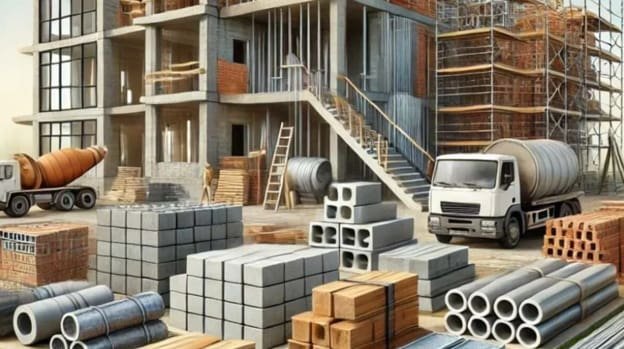
Sydney’s climate presents unique challenges requiring thoughtful consideration when selecting construction materials for residential and commercial projects. Harsh weather patterns, including intense sun exposure, coastal salt spray, and occasional severe storms, demand materials engineered for local conditions specifically. Builders and homeowners now recognise that sourcing quality building materials in Sydney determines project longevity and maintenance requirements substantially. Local suppliers understand regional demands better than national distributors disconnected from geographic realities. Material selection affects not just initial construction but decades of performance throughout ownership. Understanding local material options reveals opportunities most projects miss through generic sourcing approaches. Construction success depends entirely upon respecting Sydney’s specific environmental demands rather than applying generic solutions blindly.
Accounting For Coastal Climate Exposure
Sydney’s coastal location introduces salt-laden air that corrodes standard materials, requiring expensive protective treatments. Homes near beaches sometimes experience accelerated material deterioration when unsuitable choices are installed initially. Materials engineered specifically for coastal conditions resist corrosion naturally without requiring constant maintenance. Concrete mixes formulated for salt resistance outlast standard alternatives significantly. Steel components receiving appropriate corrosion protection remain structurally sound for decades longer. Coastal construction sometimes requires upgrading specifications beyond inland requirements substantially. Material durability in harsh environments occasionally determines whether structures remain sound or require premature replacement. Respecting coastal conditions influences material selection, profoundly affecting long-term outcomes.
Managing Thermal Expansion Effectively
Temperature fluctuations throughout Sydney’s seasons create expansion and contraction cycles challenging inferior materials substantially. Building materials engineered with thermal flexibility accommodate these cycles without cracking or warping. Poor material selection sometimes creates stress concentrations, leading to unexpected failures. Quality materials designed for temperature variation prevent the progressive damage that inferior alternatives accumulate. Structural integrity sometimes depends more on thermal management than actual material strength. Sydney’s temperature range demands understanding local climate patterns completely.
Resisting Moisture And Humidity
Humidity levels throughout Sydney sometimes reach extreme ranges affecting material performance dramatically. Moisture absorption into unsuitable materials creates expansion, mould growth, and structural deterioration progressively. Materials selected specifically for humid climates resist moisture penetration, protecting underlying structures. Ventilation compatibility becomes critical, ensuring selected materials work harmoniously throughout building systems. Humidity management sometimes determines whether interiors remain healthy or develop problematic conditions. Climate-appropriate material selection prevents issues requiring expensive remediation later. Moisture resistance matters considerably more than initial appearance considerations.
Sourcing Locally Engineered Solutions
Local suppliers understand Sydney’s specific requirements better than distant distributors disconnected from regional realities. Materials available locally sometimes include engineered solutions specifically addressing regional challenges. Established relationships with local suppliers occasionally reveal product options absent from national catalogues. Support networks surrounding local materials sometimes prove superior when issues arise during construction. Availability advantages occasionally prevent project delays that national sourcing sometimes introduces. Local expertise combined with material quality creates superior outcomes most generic sourcing cannot match.
Minimising Long-Term Maintenance Demands
Material selection profoundly influences maintenance requirements throughout building lifecycles. Quality materials sometimes require minimal intervention whilst inferior alternatives demand constant attention. Maintenance budgets sometimes decrease substantially when initial material choices receive proper consideration. Preventative durability occasionally eliminates expensive repairs that inferior materials eventually necessitate. Long-term cost calculations often reveal quality materials prove economical despite higher initial expense. Maintenance reduction sometimes improves property quality of life throughout ownership.
Supporting Environmental Responsibility
Sustainable materials increasingly become available locally, reducing transportation impacts substantially. Materials sourced regionally sometimes permit choosing environmentally conscious options without extreme inconvenience. Recycled content options occasionally provide performance rivalling virgin material alternatives. Responsible material selection sometimes influences broader industry practices, encouraging sustainable development. Environmental consciousness combined with practical performance sometimes drives informed purchasing decisions. Sustainability increasingly becomes achievable through thoughtful local material selection.
Ensuring Regulatory Compliance Seamlessly
Local building codes sometimes reference specific material standards recognised regionally. Nationally sourced materials occasionally require verification, ensuring compliance with local regulations. Suppliers familiar with Sydney requirements understand specifications, preventing documentation complications. Compliance assurance sometimes streamlines approval processes, avoiding project delays. Regulatory knowledge embedded within local supply chains occasionally prevents problems generic sourcing creates. Local material selection sometimes simplifies administrative requirements substantially.
Conclusion
Building materials in Sydney demand thoughtful selection respecting local climate and environmental conditions throughout construction. Coastal exposure resistance protects structures long-term. Thermal flexibility prevents expansion-related damage. Humidity resistance maintains structural integrity. Local sourcing provides engineering expertise specific to regional requirements. Maintenance reduction improves long-term economics substantially. Environmental responsibility becomes increasingly accessible. Regulatory compliance simplifies through local familiarity. Those prioritising climate-appropriate material selection discover construction quality transcending generic approaches entirely.