
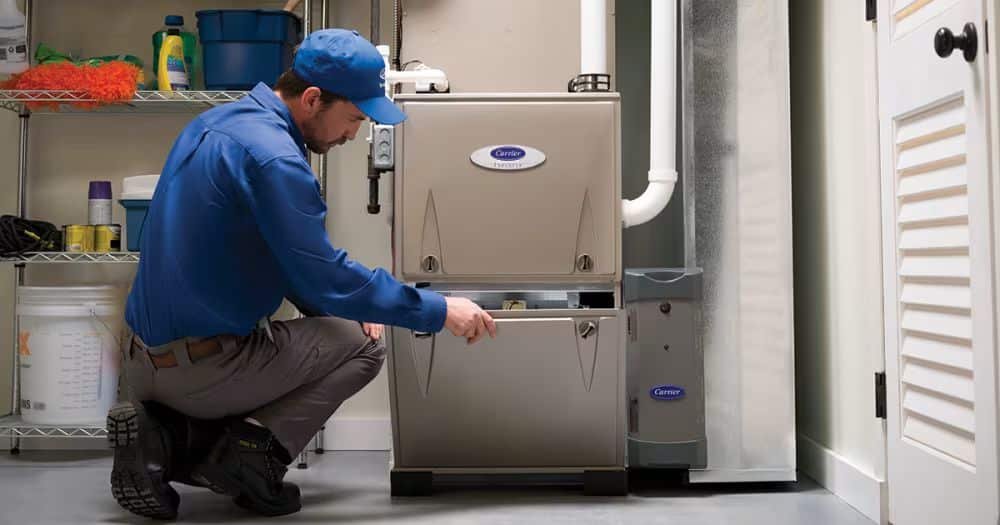
Few things are more frustrating during winter than turning on your furnace and feeling cold air instead of warmth. A furnace blowing cold air can be a symptom of a variety of issues, ranging from simple maintenance needs to more serious mechanical problems. Understanding the causes and solutions behind this issue can help homeowners act quickly, maintain comfort, and prevent costly repairs.
Common Causes of a Furnace Blowing Cold Air
When a furnace starts blowing cold air, it often signals a malfunction somewhere in the heating system. One common cause is a dirty or clogged air filter. Filters trap dust, dirt, and debris, and when blocked, they can restrict airflow, causing the furnace to overheat and shut off the burners while still running the fan. This leaves only cold air circulating through the home.
Another frequent cause is a malfunctioning thermostat. If the thermostat is set incorrectly, misreading room temperature, or failing to communicate properly with the furnace, it may prevent the burners from igniting. Similarly, problems with the pilot light or electronic ignition system can stop the furnace from producing heat, while the blower fan continues to circulate air. In some cases, issues with the gas supply, including valve problems or low pressure, can result in the furnace blowing cold air instead of warm air.
Troubleshooting and Immediate Solutions
Addressing a furnace blowing cold air begins with basic troubleshooting. Checking the air filter and replacing it if necessary is one of the simplest steps and often resolves airflow issues. Homeowners should also inspect the thermostat settings, ensuring that it is set to heat and the desired temperature is higher than the current room temperature.
Examining the pilot light or electronic ignition system is another key step. If the pilot light is out, relighting it according to the manufacturer’s instructions may restore heating. Gas valves should be checked to ensure they are open and supplying adequate fuel to the furnace. While these steps can solve minor problems, homeowners should exercise caution and consult a professional if they are unsure about handling gas or electrical components.
When to Call a Professional
Sometimes a furnace blowing cold air requires professional attention. Issues such as a malfunctioning heat exchanger, failing blower motor, or serious gas supply problems should not be handled without the proper expertise. Licensed HVAC technicians can safely diagnose and repair complex issues, restoring heating functionality and preventing further damage.
Professional maintenance can also identify hidden problems, such as leaks in ductwork, faulty wiring, or worn-out components, before they escalate. Regular inspections by a trusted HVAC provider ensure that furnaces operate efficiently and safely, reducing the likelihood of sudden cold air issues during the winter months.
Preventive Maintenance Tips
Preventing a furnace from blowing cold air involves consistent maintenance and attention to system health. Replacing or cleaning filters regularly, typically every one to three months depending on usage, helps maintain proper airflow. Keeping the area around the furnace clean and free of debris also ensures optimal operation.
Scheduling annual professional inspections is crucial. Technicians can perform thorough checks, clean critical components, and adjust system settings to maintain efficiency. Regular maintenance not only prevents cold air issues but also extends the lifespan of the furnace, saves on energy costs, and ensures consistent home comfort.
A furnace blowing cold air can result from a variety of factors, including clogged filters, thermostat malfunctions, pilot light or ignition issues, and more serious mechanical problems. By understanding these causes, performing basic troubleshooting, and engaging professional HVAC services when needed, homeowners can maintain a warm and safe environment. Preventive maintenance, timely repairs, and expert guidance are key to avoiding the frustration and discomfort of a furnace failing to provide heat when it is needed most.