Many expecting mothers want childbirth to be as safe and smooth as possible. The best gynecologist in Noida will often guide women toward vaginal birth when there are no medical complications because it supports faster recovery and bonding. Vaginal delivery is the natural way the body brings a baby into the world and has long-term benefits for both mother and child.
Pregnant women also want to learn about how to prepare for vaginal birth practically without overwhelming medical language. Childbirth is both physical and emotional, and preparation helps women handle labour pain, unexpected complications, and the recovery stage. Vaginal delivery engages the body’s natural mechanisms, which helps reduce interventions and promotes a healthier postpartum period. Mothers who deliver vaginally often regain strength faster and face fewer limitations in caring for their newborns.
Natural Hormonal Support
During vaginal birth, the mother’s body releases oxytocin, endorphins, and adrenaline in a sequence that reduces stress, supports bonding, and helps the uterus contract efficiently. These hormones are released in response to labour sensations. Oxytocin strengthens contractions and limits bleeding after birth. Endorphins reduce pain perception and promote calmness. Adrenaline helps at the final stage, giving energy for pushing and aiding the baby’s emergence. Mothers who deliver vaginally often feel emotionally connected and alert after birth, while cesarean recovery may include anaesthesia effects and delayed bonding.
Faster Physical Recovery
Vaginal delivery avoids major abdominal surgery, which means reduced postoperative risks and discomfort. Mothers can walk sooner, hold their baby more comfortably, and breastfeed without incision pain. Hospital stay is typically shorter, and women can return home within one or two days. In contrast, cesarean births require careful wound care and limited movement for several weeks. A quicker recovery helps physical and mental well-being and reduces postpartum stress. Mothers with newborns benefit from mobility, especially when managing feeding schedules and sleep. Pregnancy and birth affect pelvic muscles, but when managed with exercises and correct pushing techniques, long-term pelvic floor outcomes are favourable.
Lower Risk of Complications
Surgical intervention carries risks like infection, blood clots, anaesthesia reactions, and organ injury. Vaginal birth reduces these risks significantly. Each cesarean increases complications in future pregnancies due to scar tissue formation and risk of placenta previa or placenta accreta. Vaginal delivery allows organs and tissues to heal naturally rather than healing around abdominal incisions. Avoiding surgery also reduces internal scarring that may lead to chronic pelvic pain later.
Benefits for the Baby
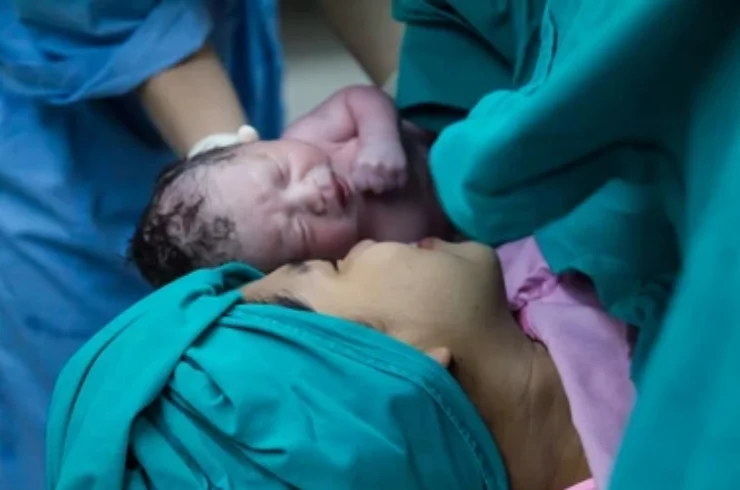
Babies born vaginally gain protection from respiratory and immune problems. As the baby moves through the birth canal, fluid is squeezed from the lungs. This helps them breathe independently soon after birth and reduces the need for respiratory assistance or NICU admission. Passage through the vagina exposes the newborn to beneficial bacteria that begin building a healthy gut microbiome and immune response.
This natural colonisation may lower the risk of allergies, asthma, and autoimmune diseases later in childhood. Vaginal birth also promotes immediate skin-to-skin contact, which regulates temperature, breathing, and blood sugar, and allows breastfeeding initiation within minutes.
- Faster postpartum recovery and mobility
- Lower risk of surgical complications and infections
- More effective early breastfeeding and bonding
- Less blood loss and improved hormone regulation
- Better long-term reproductive outcomes
- Better lung function due to pressure during birth
- Lower risk of breathing difficulties after delivery
- Stronger immune foundation from maternal microbiota
- More stable temperature and heart rate
Emotional and Psychological Benefits
Mothers often feel empowered and supported during vaginal birth because they participate actively in labour. The experience can strengthen confidence and promote mental resilience. Emotional bonding with the baby occurs naturally due to immediate contact, hormonal surges, and breastfeeding cues. When birth is non-surgical, parents experience fewer fears of postoperative complications and mothers can hold and care for their newborn sooner. Anxiety levels in the postpartum period may be lower because recovery is smoother and physical discomfort decreases faster.
Breastfeeding Success
Breastfeeding tends to begin earlier and more successfully after vaginal birth. Early latch supports milk production and reduces engorgement and postpartum breast infections. Babies born vaginally adapt quickly to feeding rhythms because they receive calming hormones from the mother. Studies show that immediate skin-to-skin time stabilizes infant vitals, encourages the rooting reflex, and strengthens feeding cues. When a newborn breastfeeds effectively early, long-term breastfeeding success improves, supporting immunity and emotional connection.
How to Prepare Physically and Emotionally
Preparing for vaginal birth is more than just a physical process—it helps build confidence and reduces anxiety about labour. Women who prepare mentally and physically often feel more in control and have a smoother birth experience.
These are the reasons why preparation matters:
- Builds confidence, reduces fear, and equips women with coping tools for labour pain
- Strengthens muscles through prenatal exercises to aid in pushing
- Breathing techniques help manage contractions and lower stress
- Attending childbirth classes teaches labour stages, relaxation, and pain management methods
- Prenatal yoga or walking keeps muscles active and supports optimal baby positioning
- Creating a strong support system prevents emotional exhaustion during and after birth
- Discussing birth preferences with a doctor aligns expectations and reduces fear of interventions
- Understanding the risks and benefits of epidurals, episiotomy, and induction helps mothers make informed choices
- Asking questions and feeling supported ensures women are active participants in their birth decisions
Labour Support Techniques
During early labour, staying upright encourages gravity to help the baby descend. Warm showers, massage, and rhythmic breathing reduce discomfort and promote dilation. Having a partner or doula present provides emotional reassurance and continuous support. Hydration and nourishment during the early stages help maintain strength.
Pelvic floor exercises strengthen muscles and reduce the risk of tearing. Balanced nutrition supports healthy weight gain and fetal growth. Avoiding smoking and alcohol reduces risks to the baby’s health and improves circulation to the uterus and placenta. Adequate sleep supports hormonal balance and reduces stress.
Final Thoughts
Vaginal delivery offers significant benefits for both mother and baby and remains the safest method of childbirth in most normal pregnancies. Faster recovery, fewer complications, and stronger early bonding make vaginal birth a preferred choice when guided by medical professionals. Mothers who understand these advantages can approach childbirth with confidence instead of fear. Preparation through education, communication with doctors, and physical readiness improves outcomes and helps make the labour experience positive. Vaginal delivery protects long-term reproductive health, strengthens emotional bonding, and supports early infant well-being.